Blog

  • Remember what matters to you

    Every few months, I catch myself slipping into a familiar trap – one I know many artists struggle with – wondering whether my art should be an honest expression of myself, or a product designed to sell.

    I’ve always believed that doing what you want with your artwork, photography, music, or whatever is more important than doing what you “should” do or what others tell you to. After all, it’s your art, not theirs. And yet, I’ve fallen into the same trap myself, choosing things to paint based on what I think will be popular or sell well, instead of honestly expressing my thoughts and ideas into the world.

    That said, there have also been pieces that I’m honestly proud of, and I feel share a strong message that happens to resonate with a specific event or cause. An excellent example of that for me is my “Kintsugi” piece that I submitted for the New Westminster Hospice Society’s Dialogue on Death & Dying series:

    This piece embodies the feeling of loss as a dark aura of pain and suffering pushes down on a grieving man. The grieving man exudes light around him, and the gold stripes throughout his body represent Kintsugi, or golden joinery, a Japanese art in which broken pottery is repaired using lacquer dusted with powdered gold.

    Like Kintsugi, the man is showing the world that he was broken and that he is healing, rather than hiding the grief away; he exposes it to the world and uses it to make himself stronger.

    The work suggests that death, while painful, is also a moment to reflect on what made the departed shine in life. By carrying that glow forward, we keep their light alive for future generations.

    Recently, I became obsessed with getting business cards and postcards, and printing more “product” so I can start selling at markets, etc. However, the more I think about it, the more I realise that maybe that’s not what it is, or should be about for me — Maybe I should be making art I like, and if somebody else likes it too, great, but that should be secondary to the art itself.

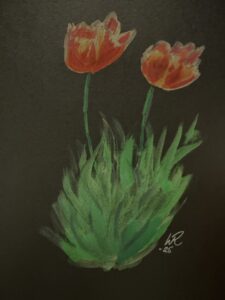
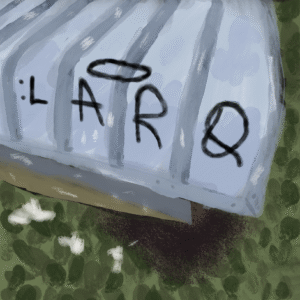
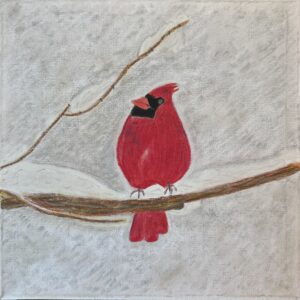
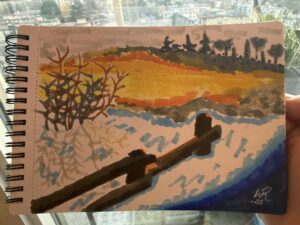
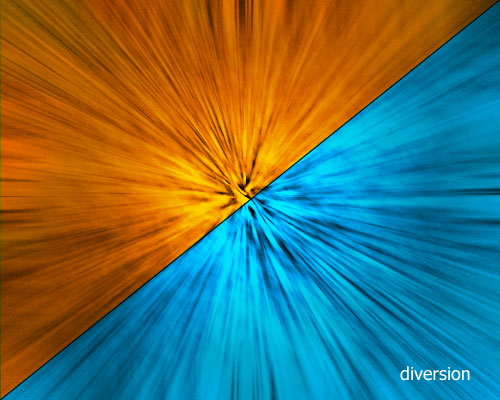
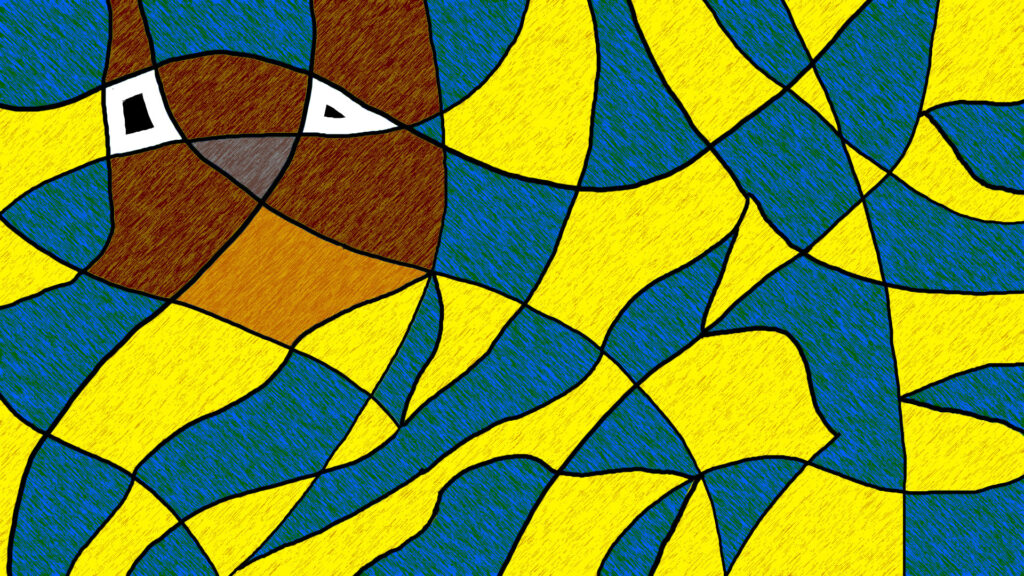
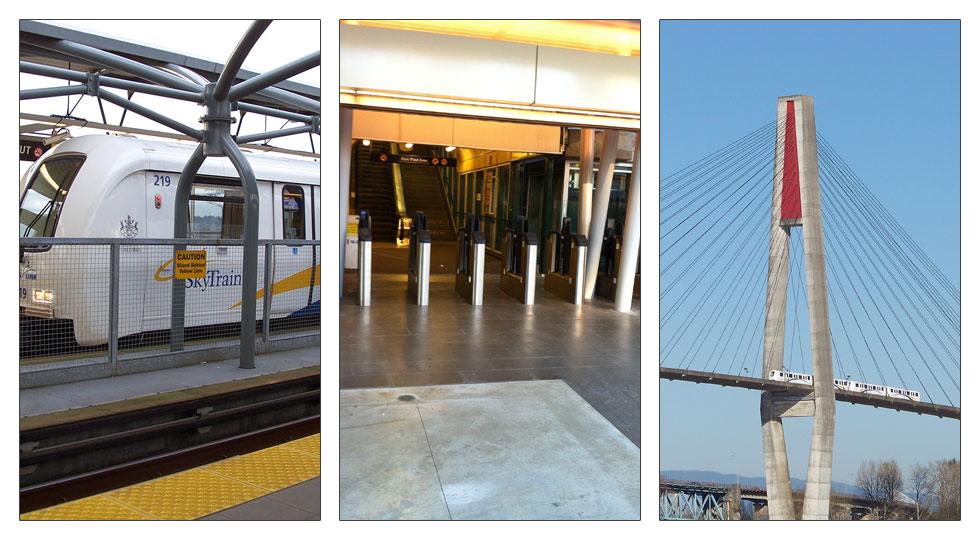
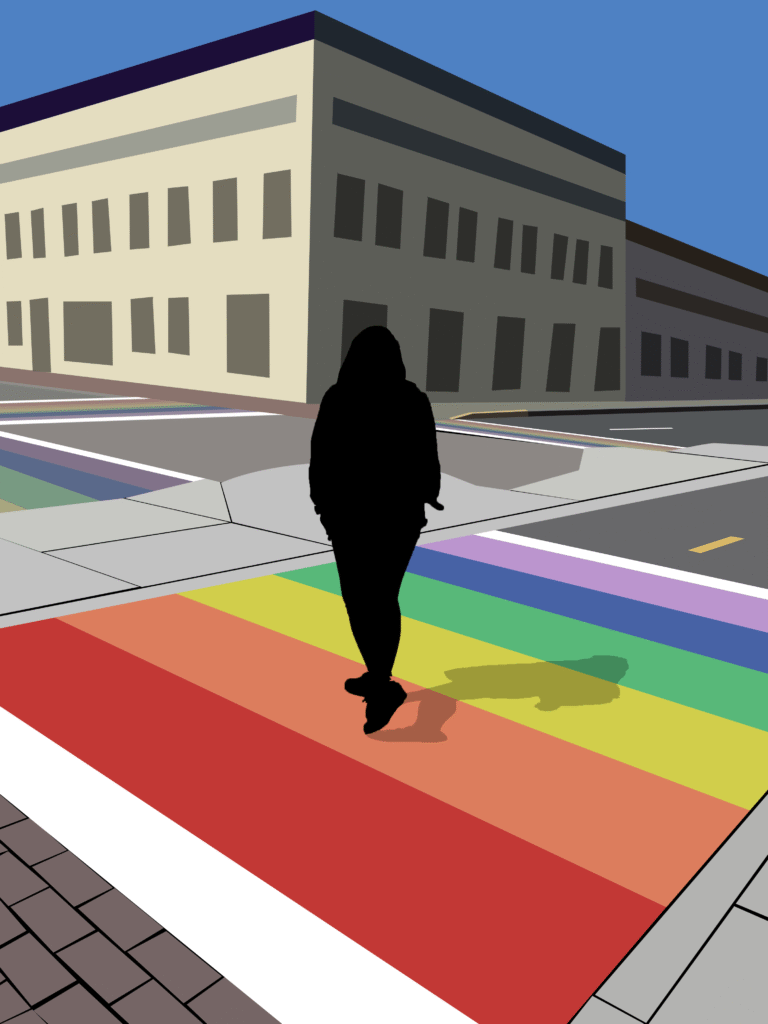
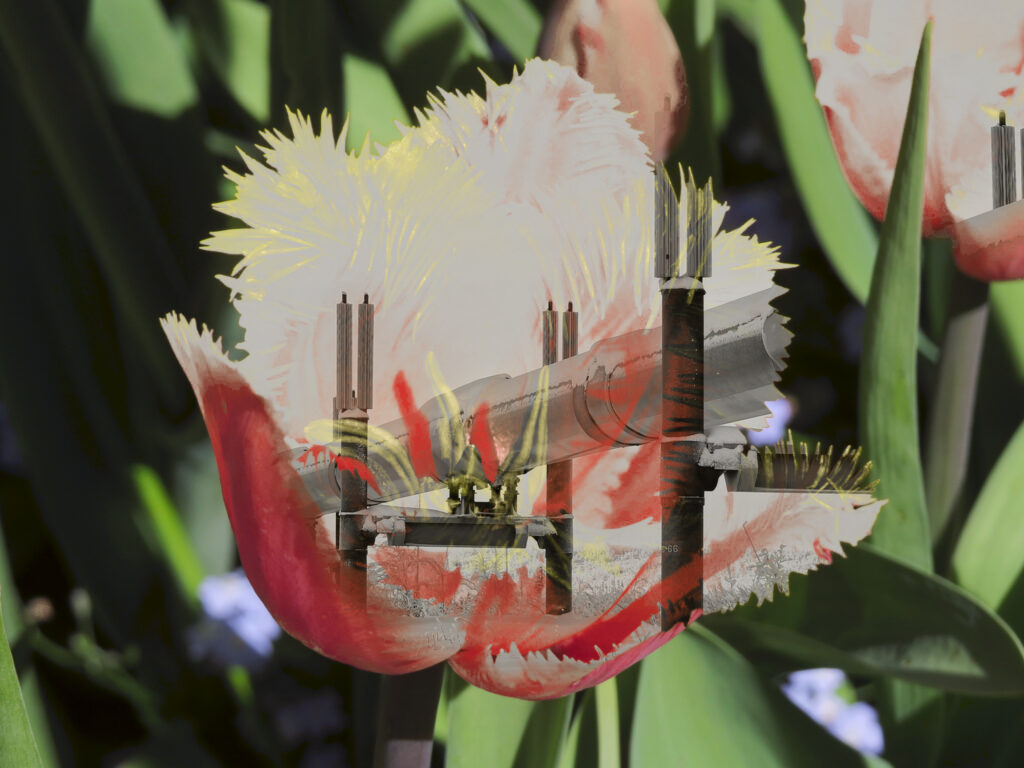
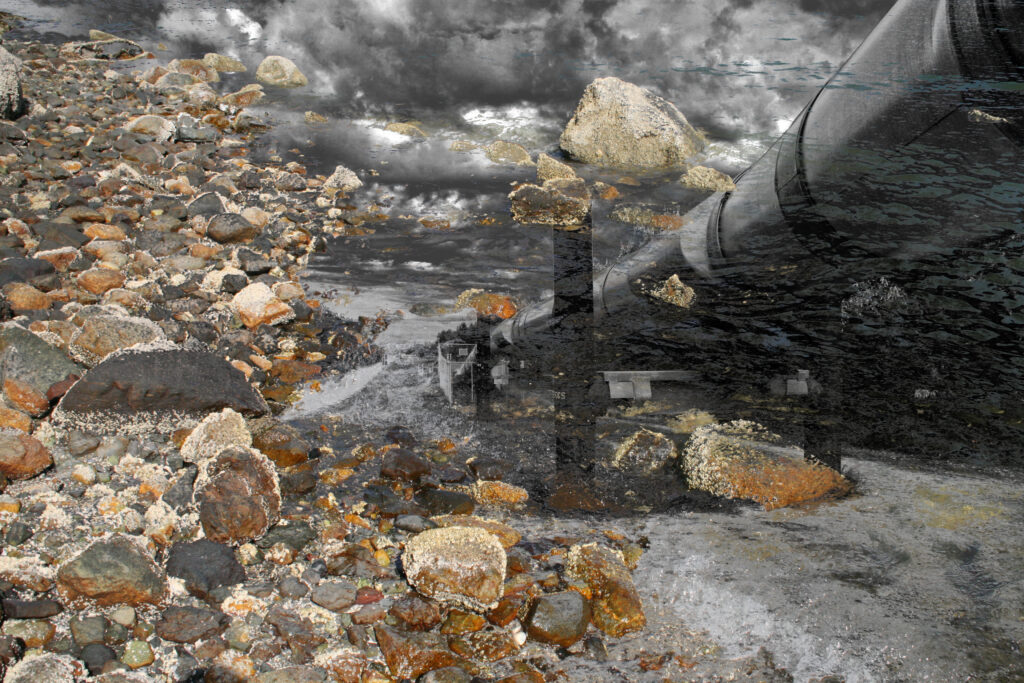
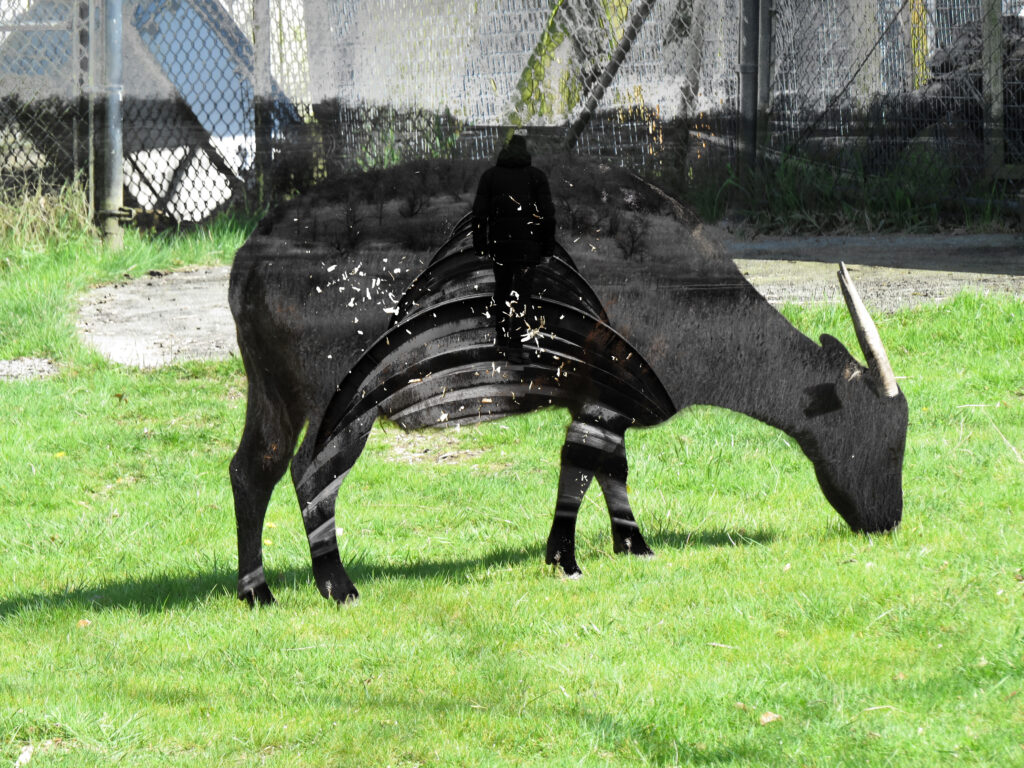
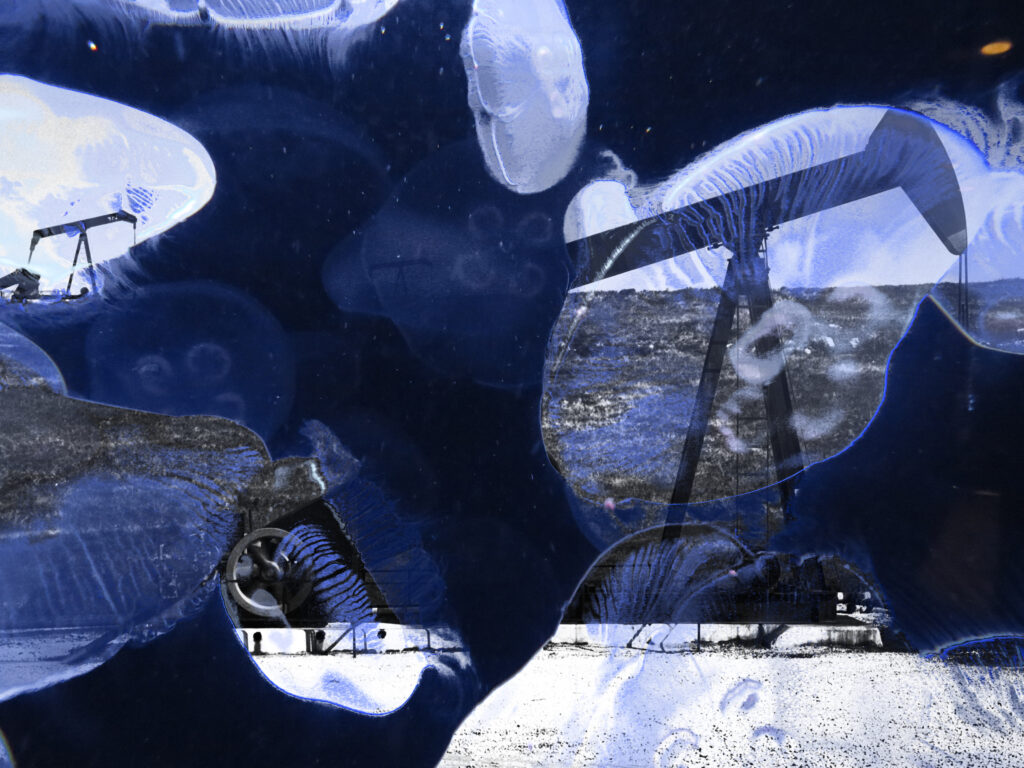
    Since coming to that realisation, I think I’ve been creating more interesting and diverse art again:
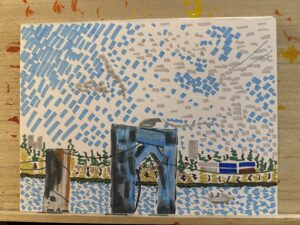
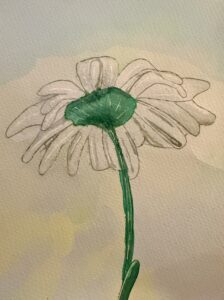
    So I think that’s the message of today’s blog. Don’t let “fame and fortune” get in the way of your vision and your art style. There will always be ways to make money, but once you cloud your vision, it might be very hard to get back.

    Cheers all,

  • Resources for artists – Part 1

    This is less of a blog post and more of a post that I will update over time with more and more resources, so at first it might seem a little bare, but over time, I hope to be able to grow it into a useful list of information for new artists.

    Where to buy supplies?

    There are some obvious ones like Opus and Michaels; however, for some, those are a little expensive.

    I’ve found that Dollarama is a good option for cheap art supplies to get started, though that said, I have seen some people caution against buying these sorts of super cheap items, because it can make you think you’re at a lower skill level. After all, lower-quality supplies don’t react the same way that higher-quality ones might.

    For example, cheap watercolor paints may have less pigment or be chalkier than more expensive ones. Additionally, I’ve heard the paper will not absorb the paint and blend the same way; however, that also seems to differ between brands, so your mileage may vary.

    Within New West, there’s Dollar ‘N’ Plus on 6th Avenue, who have a surprisingly good art aisle with a variety of brushes, paints, canvases, and paper options.

    Just outside of New West, there’s also Blossom’s Framing and Art Supplies. I’ve heard from some people that she’s a little direct and pushy. It’s also worth doing price comparisons before jumping into any purchases here, IMO.

    Aside from that, there are other options, such as Walmart and Amazon (I’m not linking to them… lol). Especially given all the tariff BS going on, I’m trying to avoid these marketplaces and use more Canadian, or ideally, local stores. If you know of any places I’ve missed, please let me know!

    Where to buy frames?

    When I first got started with trying to get my art displayed in galleries, etc, I realized I would need to have my art framed! Being budget conscious (at least until I become an uber-famous billionaire artist), I picked up some frames from Dollarama for a couple of dollars and called it a day… Until I started reading the requirements more… Wire across the back one third of the way down the frame, no glass frames, etc.

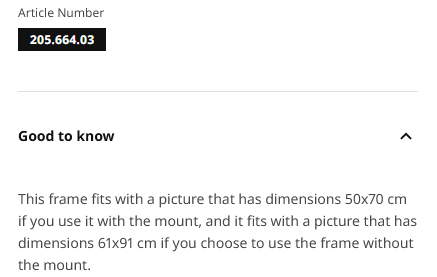
    So, where do you get these frames? Certainly not Dollarama, and absolutely not at Michaels (Unless you’re looking for huge 24 x 30″ poster frames). According to a few fellow artists, IKEA is one of the best places to source them! Just be careful to select the right size, because their frames are listed based on the size of the frame, not the matted area within the frame. Also, make sure you brush up on your inches to cm math, because they use cm in most of their descriptions on the website:

    Where to sell art?

    I’m still learning this one myself, but here’s what has been successful for me so far…

    1. Find a way to help each other

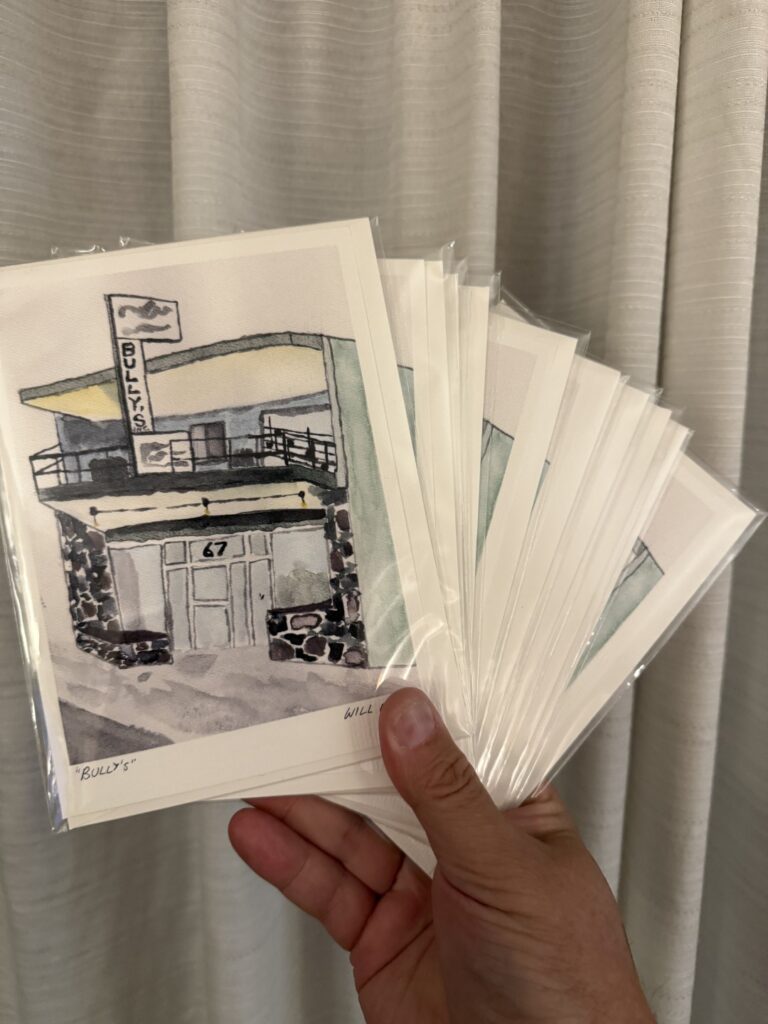
    The first art card I was able to sell came from a partnership of sorts with Bully’s Studio in New West. They needed money for repairs to their business, and I didn’t have any money to spare, but what I did have was a watercolor painting of their business. So, I created 5×7″ art cards of the painting (and a very limited edition psychedelic version!) and told the owner, you cover my printing costs and keep the profit – I get exposure within the community and you get some funds to help with repair costs!

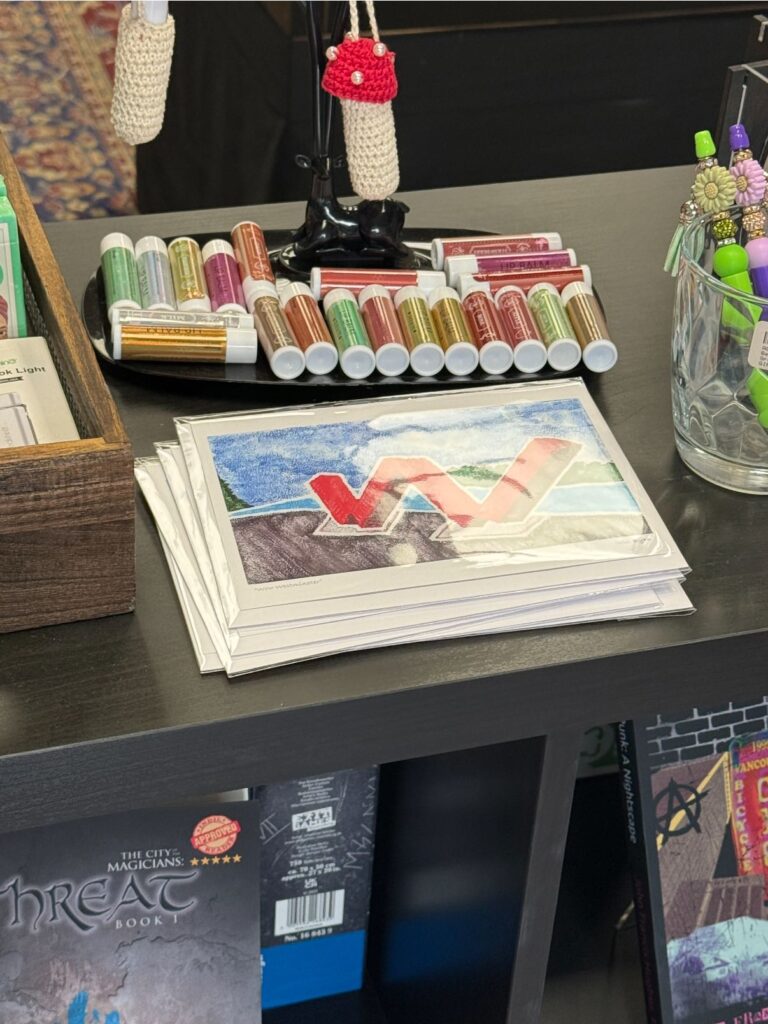
    My "Wow Westminster" art cards on display at Groove Cat Records and Books on 6th Street in New Westminster, BC

    2. Literally just ask smaller businesses

    The second art card I was able to sell came about in a very interesting and unexpected way. I had made some art cards of my “Wow Westminster” painting and had made a list of several local businesses that I thought might be interested in selling them, maybe, if the wind blew the right way.

    What ended up happening? I walked into the first store on my list (Groove Cat Records & Books) and I just straight up asked them, “Would you be interested in selling my cards here?”

    To my surprise, they immediately said yes!

    3. Make an Etsy store

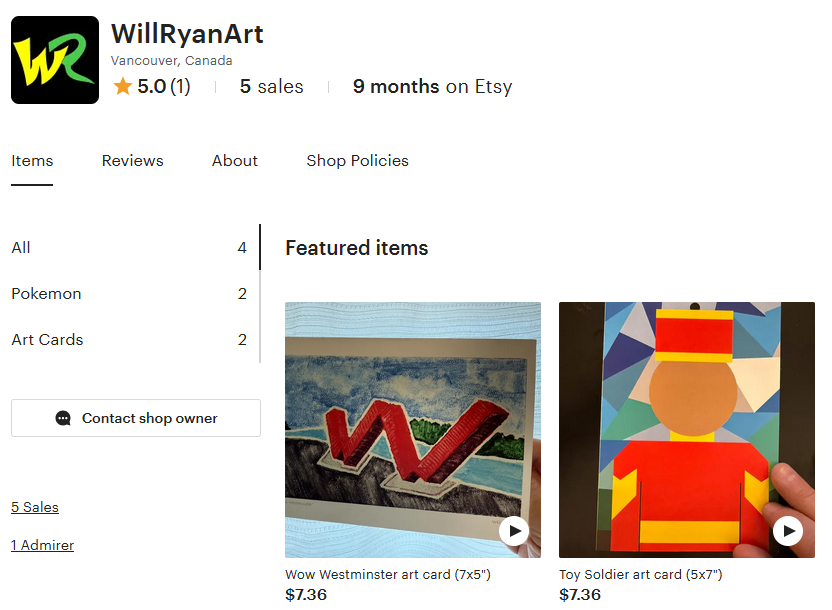
    I’ve been selling my art on Etsy for 9 months now, and during that time I’ve generated 5 sales. It’s not a lot, but it’s definitely more than 0 sales! On average, I’ve been making 2-3 times more than I’ve been spending on listing fees (Though, admittedly, I only have a few listings!)

    It’s pretty easy to get started, and I believe I’m paying about 30c per listing, so it’s quite inexpensive.

      I’ll leave it at that for now, but please subscribe if you’re interested in this sort of content and you’d like to be notified of future posts (There should be a button right over there in the bottom-right of the page)

      Cheers,

    1. What does it mean to be an artist?

      That’s a question I’ve been thinking about recently, and I believe that for each individual, the answer might be a little bit different.

      Ever since I was a child, I have done some form of art; however, it wasn’t until recently that I decided to label myself an artist. For example, growing up, I would create pictures of dinosaurs and various little characters.

      During my teenage years, I started making digital artwork in Photoshop. Here are a few examples of that:

      Later in my life, I started picking up photography as a hobby, and even tried rekindling my Photoshop skills for a while:

      You can see some more of my recent(ish) photography on these two pages:

      /Photography

      /Older Photography

      Unfortunately, as I got older, I let myself become fully absorbed by work (I’m talking working mornings, evenings, weekends, holidays) and stopped finding much time for my hobbies. Obviously, this way of thinking didn’t turn out well, and eventually I burnt myself out, several times over if I’m being 100% honest.

      Fast-forward to 2025. I’d been off work since January, and as part of my journey back to health, my counsellor (if you don’t have a counsellor, I highly recommend it!) suggested that I should try to find new or rekindle old hobbies. Since then, I’ve painted numerous pieces, some good, some bad, some different, some trying too hard to be the same.

      One thing that is common across all of them, though, is understanding, growth, and appreciation. Through art, I have developed many fantastic connections with local businesses and artists, and I hope I will continue to do so!

      It’s so interesting to me that I have lived in New Westminster since 2003 and never realised just how deep and diverse the art scene is here, but that has definitely changed in 2025.

      To get back to the original question of this blog post — What does it mean to be an artist? To me, it’s getting over the feeling of “I’m an outsider looking in” or “I’m not good enough, yet”.

      I spent years, decades even, thinking there was going to be a magical day/time where something would click and I’d suddenly be “good enough” or “smart enough”, but it really doesn’t work that way. Being an artist isn’t a destination; it’s a journey, like most things in life, and it’s up to you to decide which journeys you start and where they take you.

      So yeah, I think that’s going to be the idea behind this blog… Sharing my experiences with becoming an artist and sharing things I’ve found helpful or interesting along the way. If that sounds like something you’d be interested in, feel free to subscribe to my posts. There should be a subscribe button floating in the bottom-right, assuming I set that up properly.

      TLDR: I didn’t consider myself an artist for a long time. I was expecting a switch to flip, but you control that switch. I found art as an outlet for my mental health issues, and I now consider myself an artist.

      Thanks for reading!